Clearing one damaged section
This suits an attic where a roof leak or a single nest ruined one area and the rest is dry and clean. It costs less than a full clean-out, but I'll only suggest it if the insulation around it is really sound.
Insulation soaked by a leak, gone moldy or full of rodent droppings comes out first, so the new insulation starts on a clean attic.
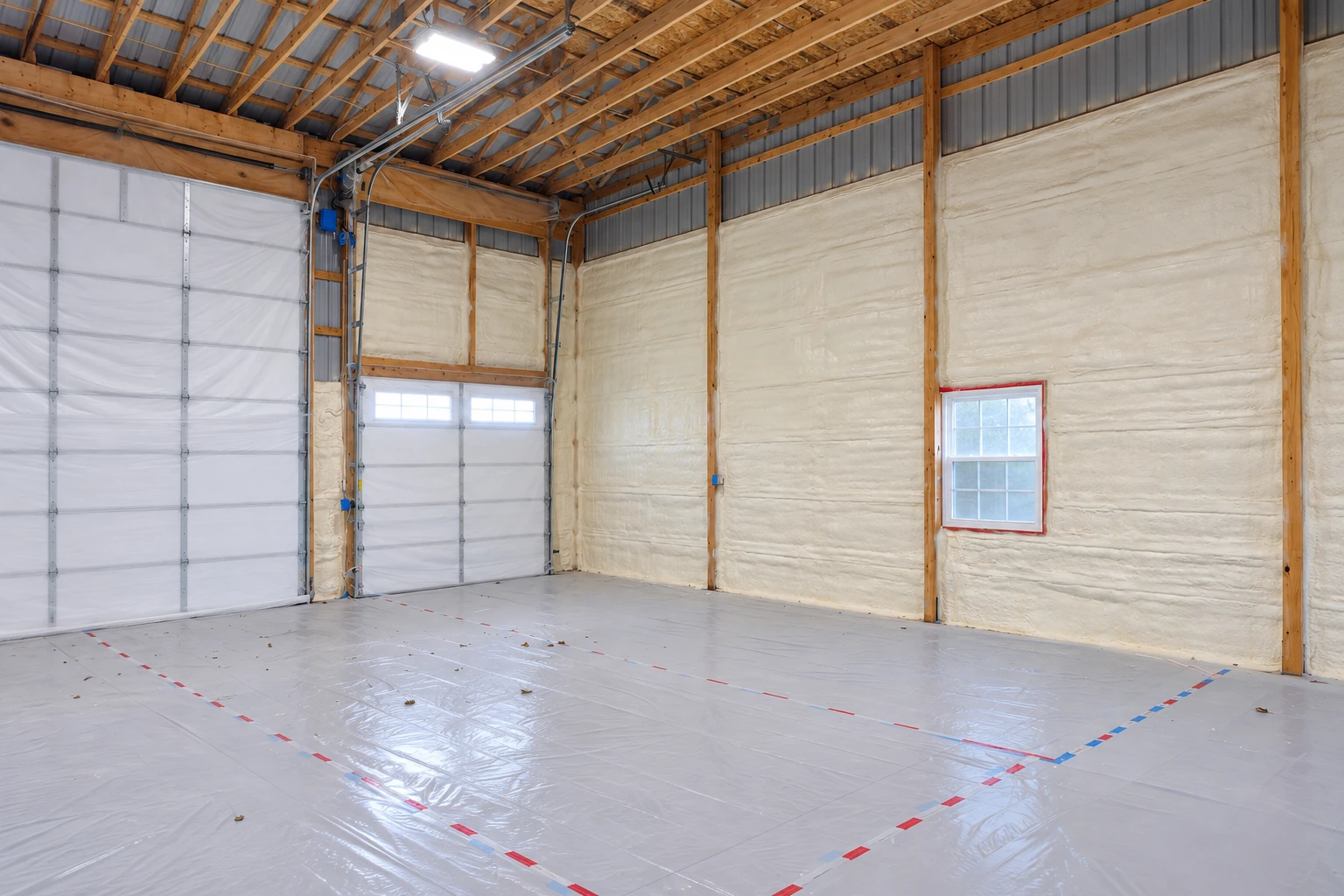
Insulation removal in Seaside clears out old insulation that water, mold, fire or rodents have ruined, so your attic is clean and the gaps underneath can be sealed before new insulation goes in.
Most calls start with something you can see or smell from the hatch: droppings on top of the insulation, a stain from an old roof leak, a musty smell, or an upstairs that stays hot no matter what. The price moves with the size of the attic, how easy it is to crawl through, how deep the old material sits and how soiled it is, because fouled insulation takes more care to bag and carry out. The schedule turns on those same things and on what turns up once it's out, since a roof leak or old wiring gets fixed before new attic insulation goes in. I'll give you your own figure once I've been up there and seen it.
I come out myself, climb into the attic and write the estimate on what I actually see, not a guess from the hallway below. Our installers do the removal, and when they're done I walk through it with you so you know what came out and why.
We're licensed and fully insured, which matters when a crew is working above your ceilings and carrying bags of old insulation down your hallway. Ask to see the paperwork when I come out for the estimate, and I'll have it with me.
Before I started this business in Seaside in 2023, I spent years doing upkeep for a property management company, crawling through attics and under floors. Homeowners call us, and so do landlords and property managers. To set up a visit, call (831) 204-4546 or use the form on this page.
Send the attic's rough size in square feet, a few photos taken from the hatch without touching the insulation, and any signs of rodents, and we'll reply within one business day. I'll come out to look at the attic and write the estimate myself, free and with no obligation.
Asbestos is the rule that can change this job here. Under state licensing rules, asbestos work covering 100 square feet or more of asbestos-containing material needs a contractor licensed for asbestos abatement, or one whose qualifying person on the license has passed the state's asbestos certification exam, and Cal-OSHA requires removal projects to use crews with specialized asbestos training who are registered with it. In Monterey, San Benito and Santa Cruz Counties, the regional air district requires an asbestos survey, with suspect materials sampled and tested, before any renovation or demolition no matter how old the building is, and without one every suspect material is treated as asbestos. A crew without asbestos training, like ours, has to make sure the work area is free of asbestos before starting, which is why we stop at anything that looks like vermiculite. Before we start, we also check with the city or county building office for your address, and where a permit is needed, we take care of the paperwork and set up the inspections.
In Seaside we work in a lot of rentals and older houses where nobody has opened the attic hatch in years, so droppings, old leak stains and flattened insulation are what we usually find. We're based here and work in cities across Monterey County, into Santa Cruz County and over to Gilroy, including Marina and Monterey, and if you're not sure we come out your way, just ask.
Removing old attic insulation usually costs about $1 to $2 per square foot across the US, and that's what the market charges, not a price from us. Where your attic lands depends on its size, how easy it is to get into and the shape the old material is in, and I'll write your own number after I've seen it.
Removal takes anywhere from 4 hours to 2 days or more, depending on how big the attic is and how complicated the job is. A large attic or a tricky one puts you at the long end of that, so I'll tell you what to plan around when I write the estimate.
Vermiculite is a pebble-like, pour-in insulation, usually gray-brown or silver-gold, and the guidance is to treat it as if it contains asbestos. Leave it undisturbed, and if it has to come out, the recommendation is a trained, accredited asbestos abatement contractor that's separate from the company that assessed it, so the assessment stays free of any conflict of interest. If I see it up there, I'll stop and tell you.
Guidance says insulation soiled with rodent urine and droppings should go into plastic bags for removal, because sweeping or vacuuming it can put tiny droplets carrying viruses into the air. That's how our crew clears it out. Mention any signs of rodents when you ask for a quote, since it changes how we plan the job.
Only if the old insulation is dry, clean and free of droppings, because new material laid over a wet or soiled layer just hides the problem. When it is sound, sealing the gaps and topping up with blown-in, loose fill sent through a hose, usually does the job. Foam costs more but seals air as it insulates, which is mostly worth it when your ductwork runs through the attic.