
Seal the gaps and top up the attic
This suits most houses with an attic over the living space and no ductwork up there. Sealing the gaps and adding blown-in loose fill on top usually gives you the most for the money, which is why it's where I start.
Drafty rooms, a hot upstairs or a power bill that keeps climbing? We seal the gaps, then add insulation where your house needs it.
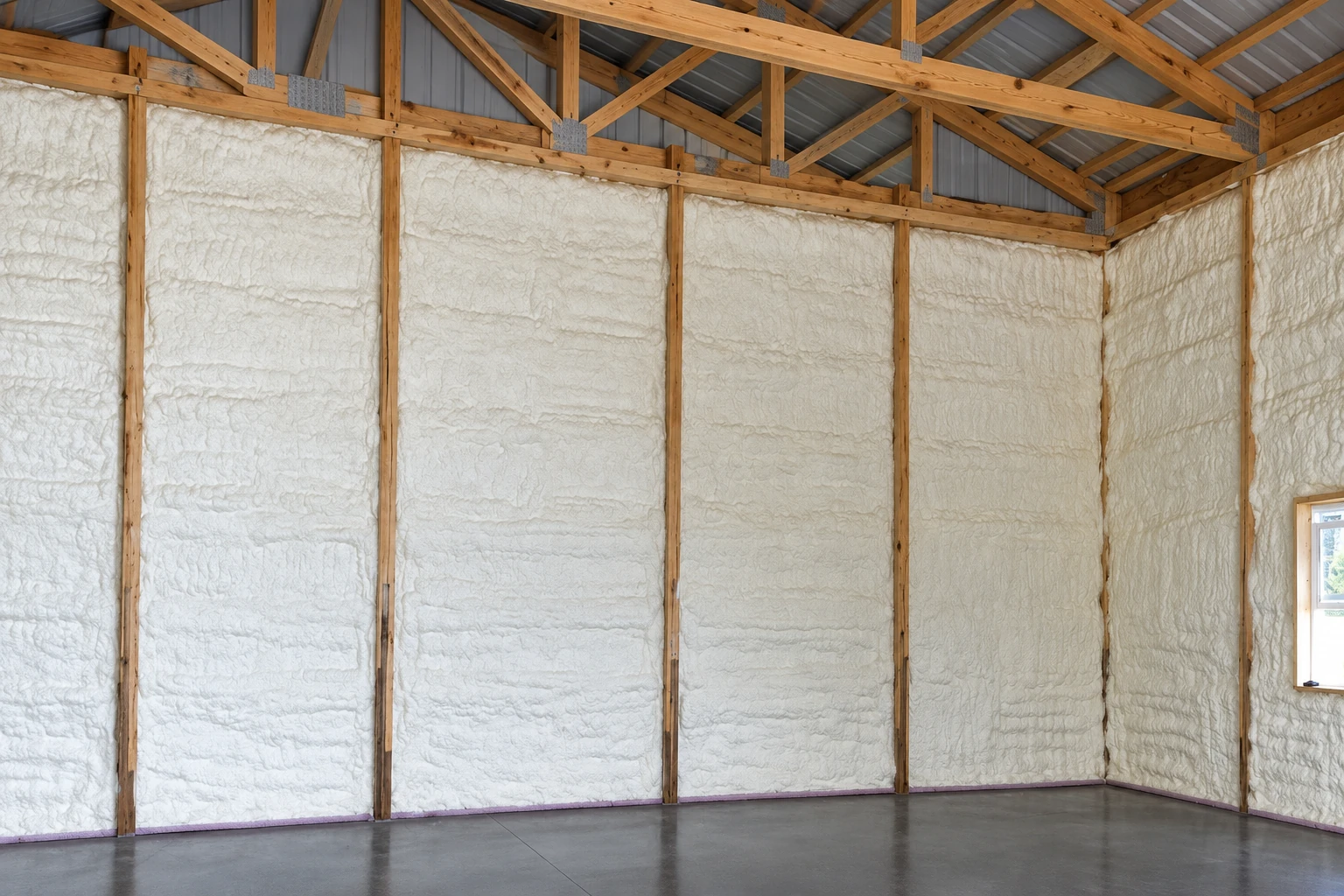
Usually, yes. Retrofit insulation in Seaside adds insulation to the house you already have, most often blown onto the attic floor after the gaps are sealed and sometimes into the walls, so your rooms hold their heat better.
Most people call because a room is drafty, the room over the garage never feels right or the power bill has crept up, and the house turns out to have a thin, tired layer that went in decades ago. The price turns on how big the attic is, how many inches are already up there, whether old material has to come out first and whether you want wall insulation too. The schedule mostly turns on what I find on the first visit, because a roof leak, old wiring or a permit can come ahead of the insulation, and you get your own figure and plan in the free estimate I write on site.
I come out to look at the job and write the estimate myself, so the person quoting it is the one who looked hard at your attic. Our installers do the work, and when they're done I walk through it with you and show you what we did.
If there's a roof leak or old wiring that needs an electrician, I'd rather tell you to fix it first than sell you insulation that hides it. Insulation laid over a problem won't hold up, and you'd end up paying for the job twice.
California's state licensing board counts installing insulation, whether for heat or for sound, as its own contracting trade. We're licensed and fully insured, and the work we do in your attic and walls is backed by our satisfaction guarantee.
Before I started this business in 2023, I spent years doing upkeep for a property management company, crawling through attics and under floors. That's why landlords and property managers call us along with homeowners. Call (831) 204-4546 and I'll come take a look.
Send the form or call (831) 204-4546 and we'll reply within one business day. I'll come out to look at your attic and walls and write a free on-site estimate myself, with no obligation to go ahead. If you can, tell us the year your house was built and whether you've seen vermiculite or old knob and tube wiring.
The City of Seaside recommends that owners contact its Building Department to learn whether a building project or major repair needs a permit, so that's the office that decides for your job. Before we start, we check with the city's building office for your address, and where a permit is needed we take care of the paperwork and set up the inspections. Anything submitted to the city now has to meet the current California codes along with Seaside's own amendments, and the state Energy Code covers changes to existing houses, not only new ones. If you want to read the city's rules yourself, it lists an Insulation Requirements handout among its building forms.
A lot of the houses we see here are older ones that got a thin layer of insulation years ago, and a good share are rentals, so we hear from landlords and property managers as often as owners. We're based in Seaside and work in cities across Monterey County, into Santa Cruz County and over to Gilroy, doing the same retrofit work in Monterey and Marina. If you're not sure we come out your way, just ask.
Attic insulation across the US usually costs about $1,700 to $2,500 per job, and that's the national picture, not our price. Where your job lands depends on what I find on the visit, and the estimate costs you nothing.
The city's Building Department decides that for your project, so we ask it about your address before any work starts. If a permit is needed, we handle it, as covered in the Seaside section above.
Usually, yes. A common way to insulate existing outside walls is drill and fill, where loose fill is blown into each wall cavity through small holes near the top, and those holes can go on the inside or the outside, so you pick which side the work happens on. Homes built before 1980 often have little or no wall insulation, and in those houses lead safety rules can come into play depending on how much the work disturbs the walls.
If the work would disturb vermiculite in your attic or walls, the EPA advises hiring a professional asbestos contractor, who makes sure it's safely handled or removed. If I see it on the estimate visit, I'll tell you, and we plan our part of the job around that contractor's work.
If your house has knob and tube wiring, the old style strung on porcelain knobs and tubes, the electrical code doesn't allow insulation to be applied to it or packed around it. I look for it on the estimate visit, and if it's there, we plan around it or you have an electrician deal with it first.
Clear stored boxes and other things off the attic floor, because anything left there keeps the insulation from lying level. Tell us at the estimate about anything you can't move, so we can talk it through.